Technical Specifications
1. Infrastructure
1.1 Holo Hosting
- Holo Hosting Overview: Leverages HoloHosts for robust and scalable infrastructure, contributing to the network's infrastructure and enhancing performance and reliability.
- Hosting Requirements: Requires a distributed network of HoloHosts for high availability and redundancy. The Holo Network can supply multiple HoloHosts for redundancy.
- Hosting Benefits: Fosters a decentralized and resilient infrastructure, aligning with Holochain ecosystem principles.
2. Technologies
2.1 Core Technologies
- Holochain: Core technology for building the application, ensuring local-first and peer-to-peer network capabilities.
- SvelteKit: Utilized for the guest/front-end, providing a modern and efficient framework for web development.
- Version: Using Svelte 5.19.2 with SvelteKit 2.16.1
- Svelte 5 Runes: Advanced reactivity system with
$state,$derived, and$effectfor fine-grained reactivity - Skeleton UI: A component library for building user interfaces with SvelteKit and Tailwind (using @skeletonlabs/skeleton 2.7.0).
- Effect TS: Functional programming library for TypeScript (effect 3.14.18) providing robust error handling,
dependency management, and asynchronous control flow.
- 7-Layer Architecture: Standardized implementation pattern across all domains
- Service Layer: Effect-native services with Context.Tag dependency injection
- Store Layer: Factory functions with Svelte 5 Runes + 9 standardized helper functions
- Schema Validation: Effect Schema with strategic validation boundaries
- Error Handling: Domain-specific tagged errors with centralized management
- TailwindCSS: Utility-first CSS framework (v3.4.17) for rapid UI development.
- GraphQL: Using Apollo Client (3.13.8) for data fetching and state management.
- hREA: hREA (Holochain Resource-Event-Agent) is an implementation of the Valueflows specification. It enables a
transparent and trusted account of resource and information flows between decentralized and independent agents, across
and within ecosystems.
- Version: @valueflows/vf-graphql 0.9.1-alpha.6 and @valueflows/vf-graphql-holochain 0.700.0-rc.0, vendored from the hREA
happ-0.5.0-beta.1tag until npm serves it (seevendor/README.md) - For detailed hREA integration specifications, see hREA Integration
- Version: @valueflows/vf-graphql 0.9.1-alpha.6 and @valueflows/vf-graphql-holochain 0.700.0-rc.0, vendored from the hREA
2.2 Communication Systems
Messaging System
- User-to-User Messaging
- Administrator Communication Channel
- Notification System for Suspensions
Real-time Features
- Direct messaging capabilities
- Negotiation support
- Agreement finalization
- Status updates
- Exchange notifications
2.3 Security Features
- User Authentication: Agent-centric authentication using Holochain's cryptographic keys.
- Profile Recovery System: Secure identity recovery mechanisms with multi-agent verification.
- Administrator Access Controls: Role-based access control system with granular permissions.
- Suspension Management: Sophisticated system for handling user violations while maintaining decentralized principles.
- Data Validation: Comprehensive input validation using Effect TS Schema validation.
- Error Handling: Centralized tagged error system ensuring robust error recovery.
- Secure Communications: End-to-end encrypted messaging between users.
- Audit Logging: Comprehensive activity logging for security monitoring.
2.4 Data Management
Link Types
- User Links: Profile updates, agent associations, requests/offers
- Project Links: Coordinators, contributors, categories
- Organization Links: Members, projects, categories
- Skill Links: Users, projects, requests/offers
- Category Links: Projects, offers, organizations
Anchor System
- Administrators Anchor: Index of network administrators
- Moderators Anchor: Index of network moderators
- Users Anchor: Global user index
- Projects Anchor: Global project index
- Organizations Anchor: Global organization index
3. User Interface
3.1 Design System
Color palette:
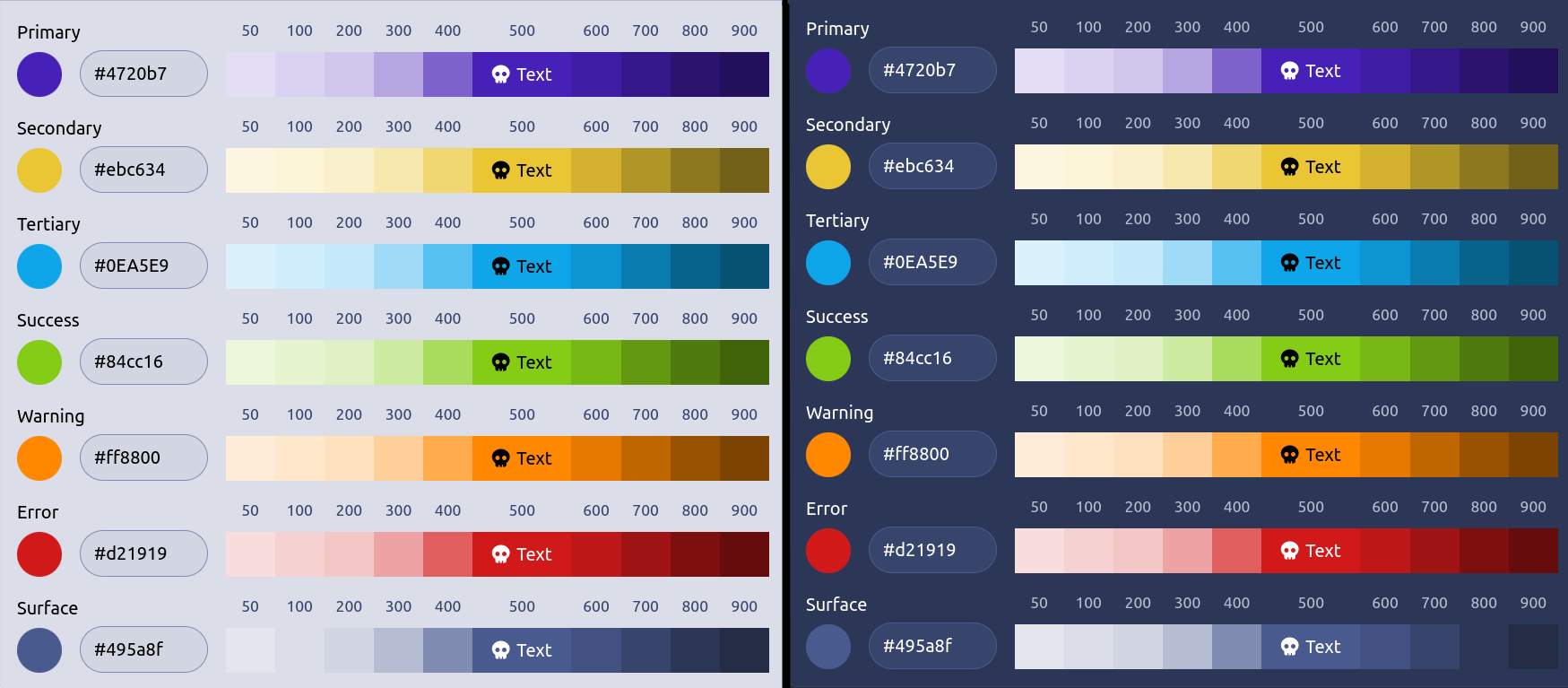
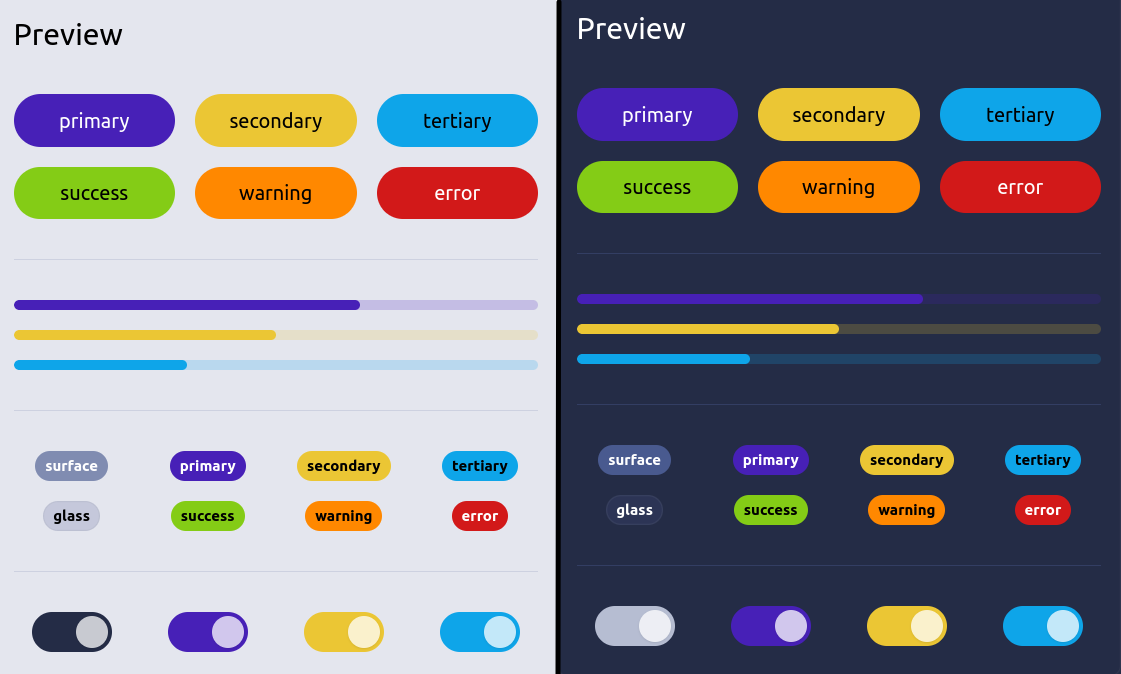
3.2 Key Interfaces
- User Dashboard
- Project Management Interface
- Request/Offer Management
- Administration Dashboard
- Search Interface
- Messaging Interface
3.3 Administrative Interface
- User Management
- Project Verification
- Organization Management
- Request/Offer Moderation
- Reporting Tools
4. System Architecture
The system architecture is documented using the C4 model, which provides different levels of abstraction to understand the system structure.
4.1 System Context
The following diagram shows the high-level system context and key user roles:
C4Context
    title System Context diagram for Requests and Offers System

    Person(advocate, "Advocate", "Individual supporting Holochain projects")
    Person(creator, "Creator", "Individual or group developing projects")
    Person(admin, "Administrator", "System administrator")

    System(requestsAndOffers, "Requests and Offers hApp", "A decentralized application for creating, managing, and responding to requests and offers")

    System_Ext(holoHost, "Holo Host", "Decentralized hosting infrastructure")
    System_Ext(hrea, "hREA", "Resource-Event-Agent implementation")

    Rel(advocate, requestsAndOffers, "Creates offers, responds to requests")
    Rel(creator, requestsAndOffers, "Creates requests, manages projects")
    Rel(admin, requestsAndOffers, "Manages users and system")

    Rel(requestsAndOffers, holoHost, "Hosted on")
    Rel(requestsAndOffers, hrea, "Uses for resource management")
4.2 Container Structure
The container diagram shows the high-level technical building blocks:
C4Container
    title Container diagram for Requests and Offers System

    Person(advocate, "Advocate", "Individual supporting Holochain projects")
    Person(creator, "Creator", "Individual or group developing projects")
    Person(admin, "Administrator", "System administrator")

    System_Boundary(c1, "Requests and Offers hApp") {
        Container(frontend, "Frontend UI", "SvelteKit + Skeleton UI", "Provides user interface for interacting with the system")
        Container(backend, "DNA", "Rust Holochain Zome", "Core business logic and data validation")
        Container(storage, "DHT", "Holochain Distributed Hash Table", "Decentralized data storage")
        Container(messaging, "Messaging System", "Rust Holochain Zome", "Handles user-to-user communication")
    }

    System_Ext(holoHost, "Holo Host", "Decentralized hosting infrastructure")
    System_Ext(hrea, "hREA", "Resource-Event-Agent implementation")

    Rel(advocate, frontend, "Interacts with")
    Rel(creator, frontend, "Interacts with")
    Rel(admin, frontend, "Manages through")

    Rel(frontend, backend, "Calls zome functions")
    Rel(frontend, messaging, "Sends/receives messages")

    Rel(backend, storage, "Stores and retrieves data")
    Rel(backend, hrea, "Manages resources and events")
    Rel(messaging, storage, "Stores messages")

    Rel(backend, holoHost, "Hosted on")
    Rel(messaging, holoHost, "Hosted on")
4.3 Component Structure
The component diagram details the internal structure of each container:
C4Component
    title Component diagram for Requests and Offers System

    Container_Boundary(frontend, "Frontend") {
        Component(ui, "UI Components", "Skeleton UI", "User interface elements")
        Component(auth, "Auth Manager", "SvelteKit", "Handles authentication")
        Component(state, "State Manager", "SvelteKit Store", "Manages application state")
    }

    Container_Boundary(backend, "Backend DNA") {
        Component(userMgmt, "User Management", "Holochain Zome", "Handles user profiles and roles")
        Component(projectMgmt, "Project Management", "Holochain Zome", "Manages projects and teams")
        Component(requestOffer, "Request/Offer System", "Holochain Zome", "Handles requests and offers")
        Component(admin, "Admin Tools", "Holochain Zome", "System administration features")
        Component(search, "Search Engine", "Holochain Zome", "Search and discovery")
    }

    Container_Boundary(messaging, "Messaging DNA") {
        Component(direct, "Direct Messaging", "Holochain Zome", "User-to-user messaging")
        Component(notifications, "Notifications", "Holochain Zome", "System notifications")
    }

    Rel(ui, auth, "Uses")
    Rel(ui, state, "Updates/reads")

    Rel(auth, userMgmt, "Authenticates")
    Rel(state, userMgmt, "Syncs user data")
    Rel(state, projectMgmt, "Syncs project data")
    Rel(state, requestOffer, "Syncs requests/offers")
    Rel(state, direct, "Syncs messages")
    Rel(state, notifications, "Syncs notifications")

    Rel(userMgmt, projectMgmt, "Associates users")
    Rel(projectMgmt, requestOffer, "Links projects")
    Rel(admin, userMgmt, "Manages users")
    Rel(search, requestOffer, "Indexes")
    Rel(search, projectMgmt, "Indexes")
4.4 Code Structure
The code structure diagram shows the organization of the codebase:
C4Component
    title Requests and Offers Code Structure Diagram

    Container_Boundary(ui, "UI (Svelte)") {
        Component(routes, "+page.svelte", "Route components")
        Component(components, "Components", "Reusable UI components")
        Component(stores, "Stores", "State management")
        Component(services, "Services", "API communication")
    }

    Container_Boundary(dna, "DNA (Rust)") {
        Component(entries, "Entries", "Data structures")
        Component(zomes, "Zomes", "Business logic")
        Component(links, "Links", "Relationships")
        Component(validation, "Validation", "Data validation rules")
    }

    Rel(routes, components, "Uses")
    Rel(routes, stores, "Uses")
    Rel(components, stores, "Uses")
    Rel(services, stores, "Updates")

    Rel(services, zomes, "Calls")
    Rel(zomes, entries, "Creates/Updates")
    Rel(zomes, links, "Manages")
    Rel(entries, validation, "Validates against")
4.5 7-Layer Effect-TS Architecture
The application follows a standardized 7-layer architecture pattern ensuring consistency and maintainability across all domains:
7. Testing Layer     ← Comprehensive coverage across all layers
6. Component Layer   ← Svelte 5 components using composables
5. Composable Layer  ← Business logic abstraction
4. Error Layer       ← Domain-specific error handling
3. Schema Layer      ← Effect Schema validation
2. Store Layer       ← Svelte 5 Runes + Effect-TS integration
1. Service Layer     ← Effect-native services with dependency injection
Implementation Status
All domains have been fully standardized with this pattern:
- Service Types (Reference Implementation - 100% complete)
- Requests (100% complete)
- Offers (100% complete)
- Users (100% complete)
- Organizations (100% complete)
- Administration (100% complete)
Key Features
- 9 Standardized Helper Functions: Each store implements consistent helper functions for entity creation, mapping, caching, events, fetching, loading states, record creation, status transitions, and collection processing
- Effect-TS Dependency Injection: Services use Context.Tag for clean dependency management
- Tagged Error System: Domain-specific errors with comprehensive context
- Event Bus Communication: Cross-domain communication through standardized events
- Module-Level Caching: TTL-based caching with cache synchronization
4.6 Architecture Principles
-
Decentralization: The system leverages Holochain's peer-to-peer architecture to ensure:
- Data sovereignty
- Resilient infrastructure
- No single point of failure
-
Modularity: The system is built with clear separation of concerns:
- Frontend (SvelteKit + Skeleton UI + 7-layer architecture)
- Backend DNA (Holochain Zomes)
- Messaging DNA
- Data storage (DHT)
-
Consistency: Standardized patterns across all domains:
- Same 7-layer structure for every domain
- Identical helper function implementations
- Consistent error handling and state management
- Unified testing approaches
-
Security: Built-in security features:
- User authentication
- Role-based access control
- Data validation
- Secure messaging
-
Scalability: The system is designed to scale through:
- Distributed hosting
- Efficient data structures
- Modular components
- Standardized optimization patterns
4.7 Testing Framework
-
Frontend Testing:
- Unit Tests: Using Vitest (0.28.4) with @effect/vitest (0.21.1) for Effect-specific testing
- Store Testing: All 9 helper functions tested for every domain store
- Service Testing: Effect-TS services tested with mock dependencies
- Component Tests: Testing UI components in isolation
- Integration Tests: End-to-end testing with Playwright (1.50.0)
- Status: All 343 unit tests passing across 20 test files with no unhandled Effect errors
-
Backend Testing:
- Zome Unit Tests: Testing individual zome functions with Rust testing framework
- Multi-Agent Tests: Testing peer-to-peer interactions with Sweettest
- Domain-Specific Tests: Comprehensive tests for each domain (service-types, requests, offers, users, organizations, administration)
- Performance Benchmarks: Ensuring system efficiency under load
-
Testing Architecture Integration:
- Layer-Specific Testing: Each layer of the 7-layer architecture tested independently
- Effect-TS Testing Patterns: Standardized testing approach for Effect-based services and stores
- Mock Implementations: Consistent mocking strategies across all domains
- Error Boundary Testing: Comprehensive testing of tagged error handling
-
Testing Principles:
- Comprehensive Coverage: All critical paths tested across all 7 layers
- Isolated Components: Pure unit testing with dependency injection
- Real-World Scenarios: Integration tests reflecting actual usage patterns
- Effect-TS Integration: Proper testing of Effect operations with dependency injection
- Automated CI/CD: Tests run on every commit through GitHub Actions